Watch Movements
Mechanical, automatic, quartz, and complications explained, the engineering that powers every timepiece.
Editor's picks
Start here, then follow the thread.
 Watch Movements
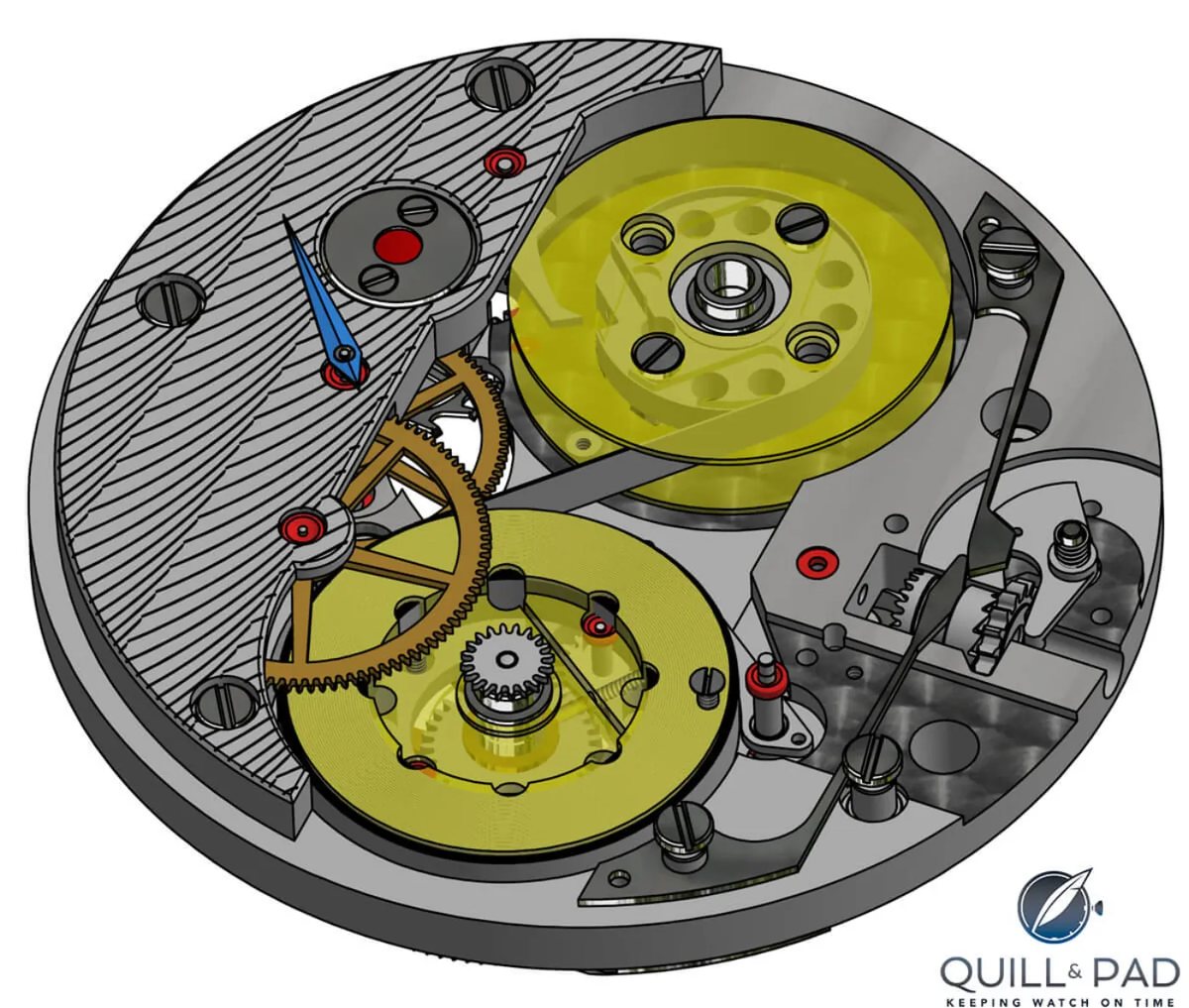
The Tensator System in Watches: Constant Torque from Seat Belts to the Wrist
The Tensator is a flat, pre-stressed spring that delivers near-constant force across its entire travel. Oscillon, the tiny Swiss w…
12 min read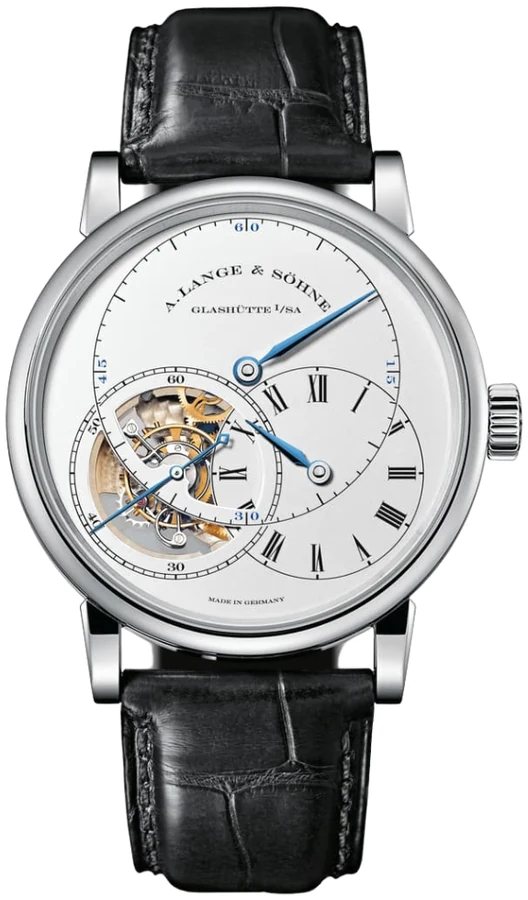 Watch Movements
The Tourbillon: Origin, Engineering, and the Watches That Define It
From its 1801 patent to the modern flying, multi-axis and gyroscopic variants, the tourbillon has moved from technical solution to…
7 min read Watch Movements
60 ATM and 15,000 Gauss: The Engineering Case for the Omega Seamaster
The Seamaster carries a co-axial escapement, a silicon balance spring rated to 15,000 gauss, and METAS certification testing the c…
6 min read Watch Movements
The Tourbillon: What It Actually Corrects, and What the Market Pays For Instead
A tourbillon corrects vertical positional error in pocket watches, a problem a wristwatch largely solves by being worn. We explain…
5 min read Watch Movements
Jumping Hours and 22 Extra Hours: Inside the GMT-Master's Calibre 3285
A technical account of the GMT-Master's independently jumping local hour hand, the Parachrom hairspring in calibre 3186, and the C…
6 min read Watch Movements
3.05 Millimetres: The Calibre 2121 and What Replaced It in the Royal Oak
The Royal Oak's silhouette was a movement achievement, not a styling one. We examine the 3.05mm calibre 2121, the 70-hour calibre …
5 min readExplore by Category
Structured knowledge for every collector's journey.
Watch Movements
Mechanical, automatic, quartz, and complications explained, the engineering that powers every timepiece.
4 Articles
Types of Watches
Dive watches, pilot chronographs, dress watches, GMT, every category and what defines it.
2 Articles
Watch Anatomy
From the case and bezel to the hairspring and escapement, the parts that make up a watch.
2 Articles
Brands & History
The stories behind iconic maisons, the Quartz Crisis, and the rise of independent watchmaking.
2 Articles
Buying & Collecting
Authentication, servicing, insurance, storage, practical guidance for collectors at any level.
2 Articles
Market & Economics
Watch market cycles, auction dynamics, the grey market, and watches as an investment class.
2 ArticlesIn Watch Movements (4)
Clear filters
Calibre 321, 861 and 3861: The Three Engines of the Omega Speedmaster
A technical account of the Speedmaster's three movement generations: the Lemania-based column-wheel 321, the volume-built cam-leve…
Three Movements, One Daytona: Valjoux, Zenith and the Calibre 4130 Explained
The Cosmograph Daytona has run three completely different movement architectures. We examine the Valjoux 72 column wheel, Rolex's …

Automatic vs Manual Wind: A Practical Comparison
Understanding the differences between automatic and manual wind mechanisms is essential for watch enthusiasts. This article offers…
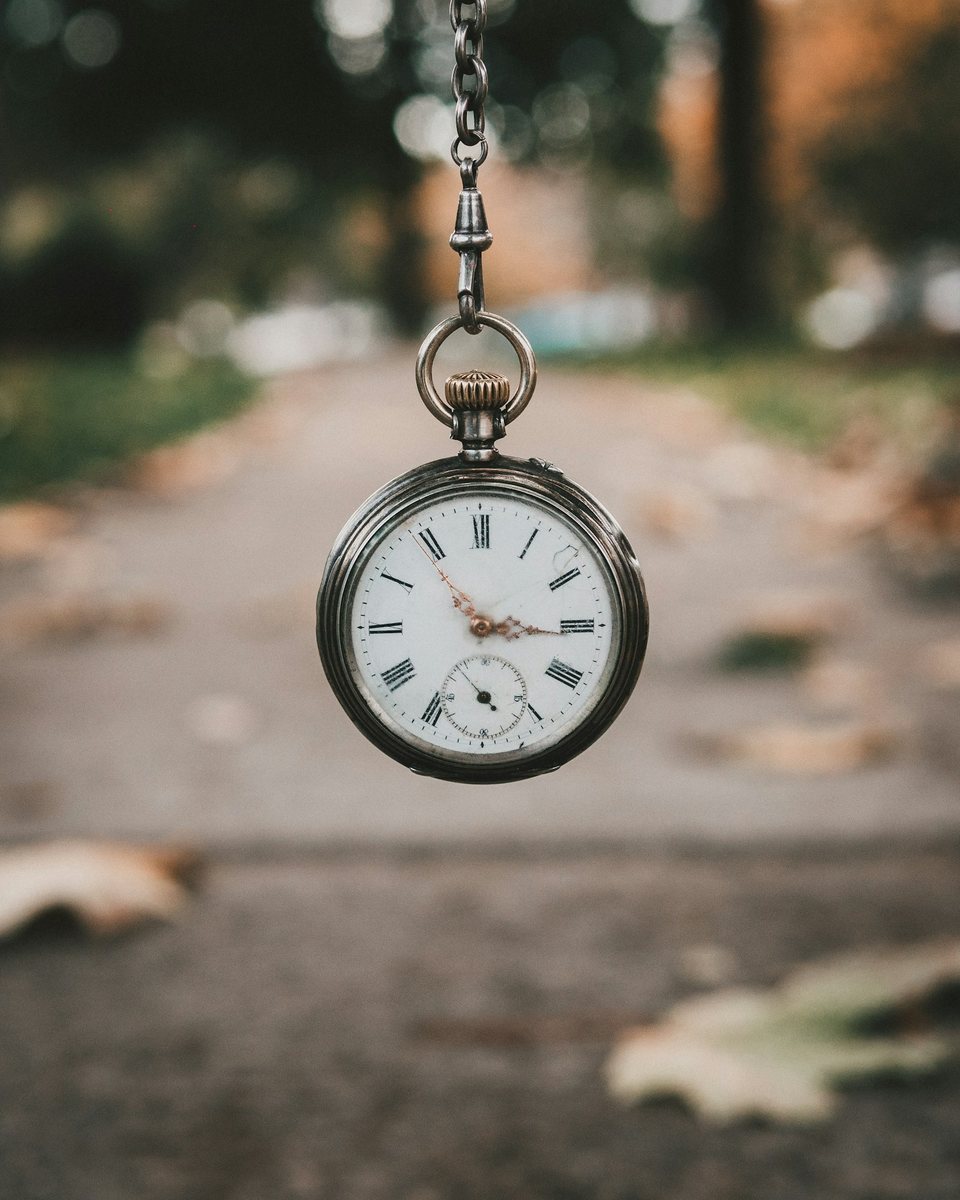
How a Mechanical Watch Movement Works: Mainspring to Escapement
Explore the fascinating world of mechanical watch movements, from the mainspring to the escapement, and discover how these intrica…