For watch enthusiasts and collectors alike, the choice between automatic and manual wind movements often poses a pivotal decision that shapes the overall ownership experience. Both types have their unique characteristics, advantages, and disadvantages, making it crucial to understand how they differ and which suits one's lifestyle and preferences. This exploration of automatic versus manual wind watches will dissect their mechanisms, performance, and the emotional connections they forge with their wearers.
The Mechanisms Explained
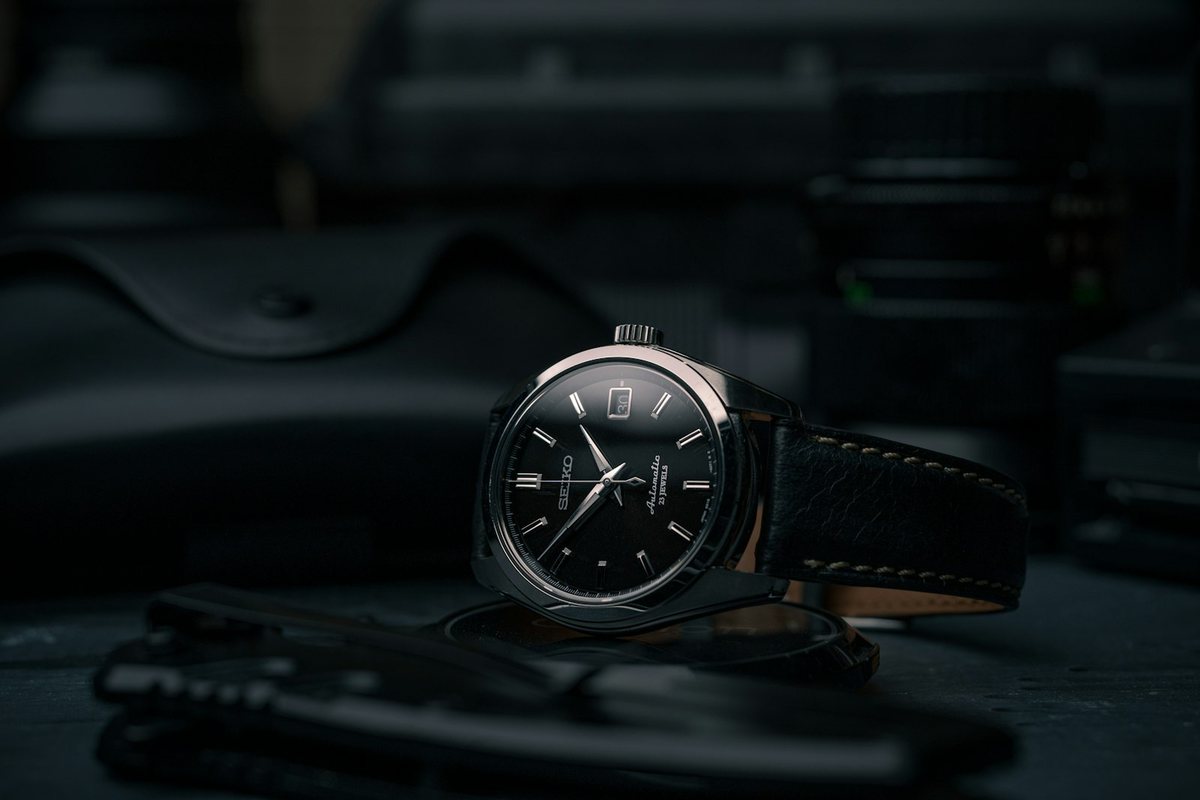
At the core of any timepiece lies its movement, often referred to as the "caliber." Automatic watches, also known as self-winding watches, utilize a rotor that moves with the motion of the wrist to wind the mainspring. This means that as long as the watch is worn regularly, it remains powered without the need for manual winding. Popular examples of this mechanism include the Rolex Cal. 3135 and the Omega Cal. 8500, both of which are renowned for their reliability and performance.
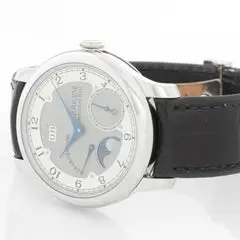
In contrast, manual wind watches require the owner to wind the crown periodically to provide energy to the mainspring. This hands-on approach offers a tactile experience that many enthusiasts cherish. A quintessential example is the Patek Philippe Cal. 215, which is celebrated for its intricate craftsmanship and the rewarding ritual of winding the watch daily.
The Automatic Advantage
One of the primary advantages of automatic movements is convenience. For everyday wearers, the automatic mechanism ensures that the watch runs continuously, eliminating the need for daily winding. This is particularly advantageous for individuals with a busy lifestyle who may forget to wind their manual watches. Automatic watches, such as the Seiko Cal. 4R35, often feature robust power reserves, making them practical choices for daily wear.
Moreover, automatic movements can be exceptionally durable, owing to their design. The rotor mechanism enables them to withstand activity, as they are less susceptible to the impact of accidental drops compared to manual watches, which can be more delicate due to their winding mechanisms.
The Charm of Manual Wind
Despite the advantages of automatic watches, there is an undeniable charm associated with manual wind movements. The act of winding a watch can be a meditative ritual, allowing the wearer to connect with the timepiece on a personal level. This connection is particularly evident in brands like A. Lange & Söhne, where models like the Saxonia Manual Wind are celebrated for their exquisite finishing and the satisfaction derived from manually powering the watch.
Additionally, manual wind movements often allow for thinner case designs since they typically do not require the additional space for a rotor. This results in a sleeker and more elegant silhouette, exemplified by the Jaeger-LeCoultre Master Ultra Thin. For those who appreciate horological artistry, the intricate mechanisms and hand-finished details of manual wind watches can be a significant draw.
Performance and Maintenance
Both movement types require some level of maintenance, but the specifics can differ. Automatic watches rely on a series of gears and a rotor, making them generally more complex. This complexity can lead to a longer service time and potentially higher repair costs if something goes awry. However, regular wear can help maintain their performance, as the movement's own mechanics keep the lubricants evenly distributed.
Manual wind watches, while simpler in design, require consistent attention from the owner. They must be wound regularly to prevent the lubricants from settling and to ensure accurate timekeeping. Some collectors appreciate this routine, while others may find it cumbersome. Nonetheless, both types benefit from professional servicing every few years to keep them running optimally.
Emotional Connection and Collectability
Automatic and manual wind watches each foster unique emotional connections. Automatic watches, being self-sufficient, often appeal to those who prefer convenience and reliability. Brands like TAG Heuer have built their reputation on robust automatic movements that cater to active lifestyles.
Conversely, manual wind watches often captivate collectors due to their romanticism and craftsmanship. The dedication required to keep them running and the intricate artistry involved in their creation make manual watches especially appealing to aficionados. A notable example is the IWC Portugieser Manual Wind, which combines classic design with a compelling narrative of horological heritage.
“A watch is a timepiece that tells your story; its movement reveals your personality.” - Watchmaker Insight
The Takeaway
Choosing between an automatic and manual wind watch ultimately boils down to personal preference and lifestyle. Automatic watches provide convenience and durability, making them ideal for everyday wear. Conversely, manual wind watches offer a deeper connection and appreciation for craftsmanship, appealing to those who enjoy the ritual of winding. Understanding these differences allows collectors and enthusiasts to make informed decisions that align with their horological journey.