The Complete Guide to Watch Case Materials
When it comes to luxury watches, the case material plays a crucial role in both aesthetics and functionality. Watch enthusiasts and collectors must understand the various materials available, as they influence not only the watch's appearance but also its durability, weight, and value. In this comprehensive guide, we will explore the most common case materials used in high-end timepieces, their characteristics, and notable examples from renowned brands.
1. Stainless Steel
Stainless steel is the most widely used case material in luxury watches due to its durability, corrosion resistance, and affordability. It is known for its sleek appearance and ability to maintain its shine over time.
- Example: Rolex Oyster Perpetual - $5,900
- Example: Omega Seamaster - $5,200
2. Gold
Gold watches exude luxury and prestige. Available in various shades, including yellow, white, and rose, gold is prized for its rich color and intrinsic value. However, gold is softer than stainless steel, making it more susceptible to scratches.
- Example: Patek Philippe Nautilus 5711 in rose gold - $50,000
- Example: Audemars Piguet Royal Oak in gold - $36,000
3. Titanium
Titanium is a lightweight and robust alternative to traditional metals, making it an excellent choice for sports and professional watches. Its hypoallergenic properties also appeal to those with sensitive skin.
- Example: TAG Heuer Aquaracer - $3,200
- Example: Omega Seamaster Planet Ocean - $6,600
4. Ceramic
Ceramic cases have gained popularity for their scratch-resistant and lightweight properties. Available in various colors, ceramic watches provide a modern aesthetic that appeals to younger collectors.
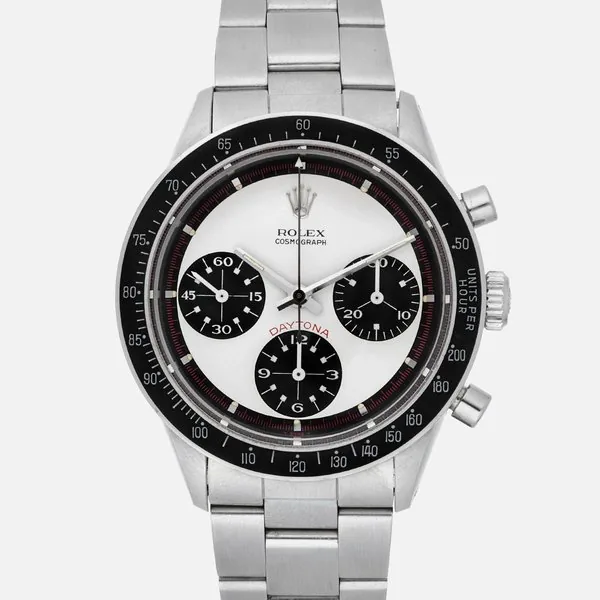
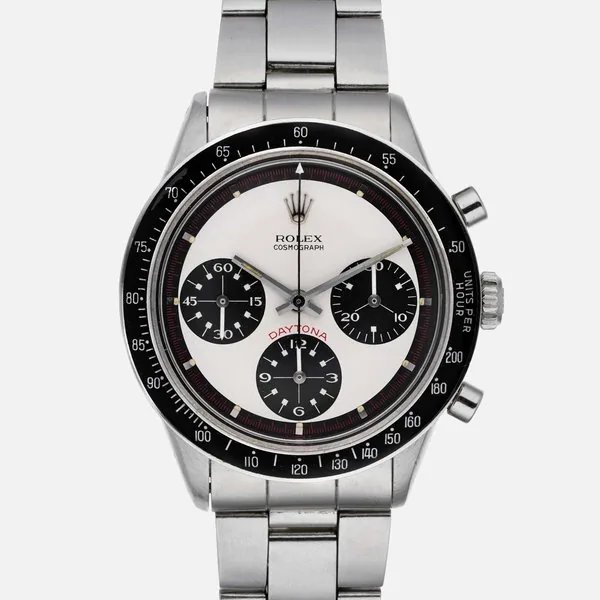
- Example: Rolex Cosmograph Daytona in ceramic - $13,000
- Example: Hublot Big Bang - $19,000
5. Carbon Fiber
Carbon fiber is a modern material that offers exceptional strength while remaining lightweight. It is often used in sports watches and is favored for its unique texture and contemporary look.
- Example: Audemars Piguet Royal Oak Offshore - $29,000
- Example: TAG Heuer Formula 1 - $2,500
6. Bronze
Bronze watches have become increasingly popular due to their unique patina that develops over time, giving each watch a distinct character. This material is typically used in dive watches and is known for its corrosion resistance.
- Example: Oris Aquis Date - $2,200
- Example: Bremont Supermarine S500 - $4,900
7. Platinum
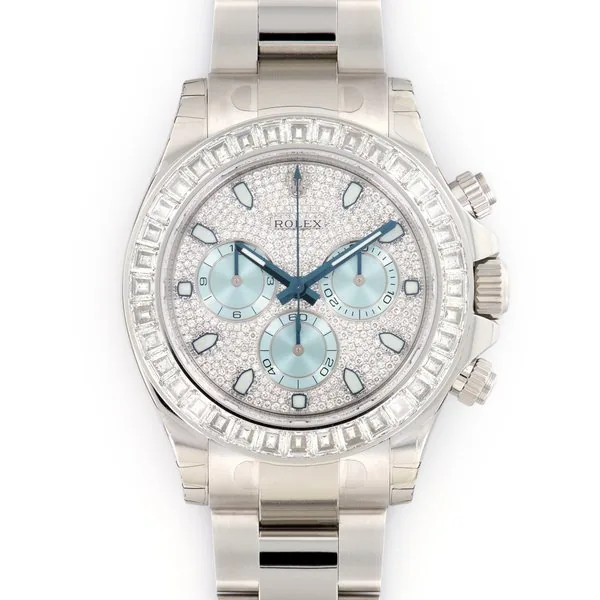
Platinum is the epitome of luxury in watchmaking. It is heavier than gold and is also highly resistant to scratching and tarnishing. However, due to its rarity and weight, platinum watches tend to come with a significant price tag.
- Example: Patek Philippe Chronograph 5170 in platinum - $86,000
- Example: Vacheron Constantin Malte - $45,000
Conclusion
Understanding the different watch case materials is essential for any enthusiast or collector. Each material brings its own set of advantages and aesthetic qualities, making it important to consider your personal preferences and needs when selecting a luxury timepiece. Whether you gravitate towards the classic elegance of gold or the modern appeal of ceramic, there is a perfect watch for everyone in the world of luxury horology. For more in-depth analyses and comparisons, make sure to check out The Watch Info.