The Journe Paradox
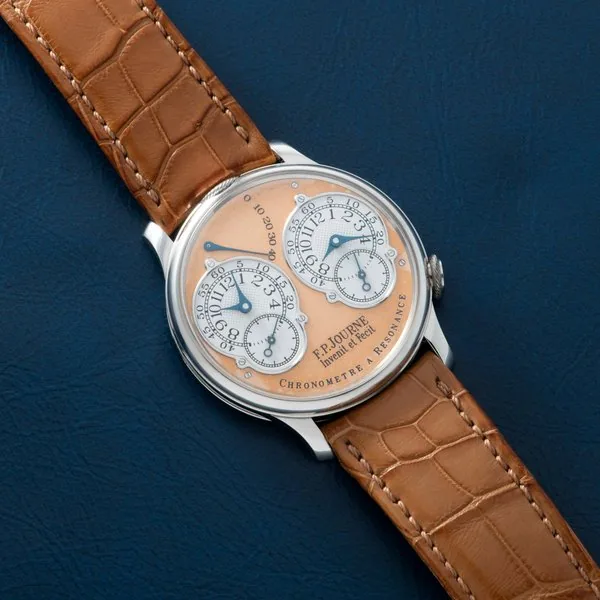
F.P. Journe produces approximately 900 watches per year. Patek Philippe produces roughly 60,000. Yet a Journe Tourbillon Souverain commands comparable prices to a Patek Grand Complication at auction, and has appreciated more aggressively over the past decade by almost every metric. This is the Journe paradox: ultra-small production, global demand, and a fanatical collector base that treats these watches as art objects rather than timepieces.
When François-Paul Journe says he could sell ten times as many watches as he makes, the secondary market believes him, and prices accordingly.
10-Year Auction Compendium
Tracking Journe results across Christie's, Sotheby's, Phillips, and Antiquorum from 2015–2025 reveals a consistent pattern: limited edition references appreciate at 2–3× the rate of base references, and rose gold examples of the same reference consistently outperform stainless steel, the inverse of the Rolex/Patek pattern.
| Reference | 2015 Avg | 2025 Avg | % Change |
|---|---|---|---|
| Chronomètre Bleu | $65,000 | $185,000 | +185% |
| Tourbillon Souverain | $280,000 | $620,000 | +121% |
| Octa Calendrier | $22,000 | $58,000 | +164% |
| Sonnerie Souveraine | $380,000 | $950,000 | +150% |
Why Journe Appreciates
Four factors distinguish Journe's market performance: production scarcity, in-house manufacture credibility (all movements designed and made in Geneva), the founder's active presence and personal legend, and a collector community that actively resists selling.