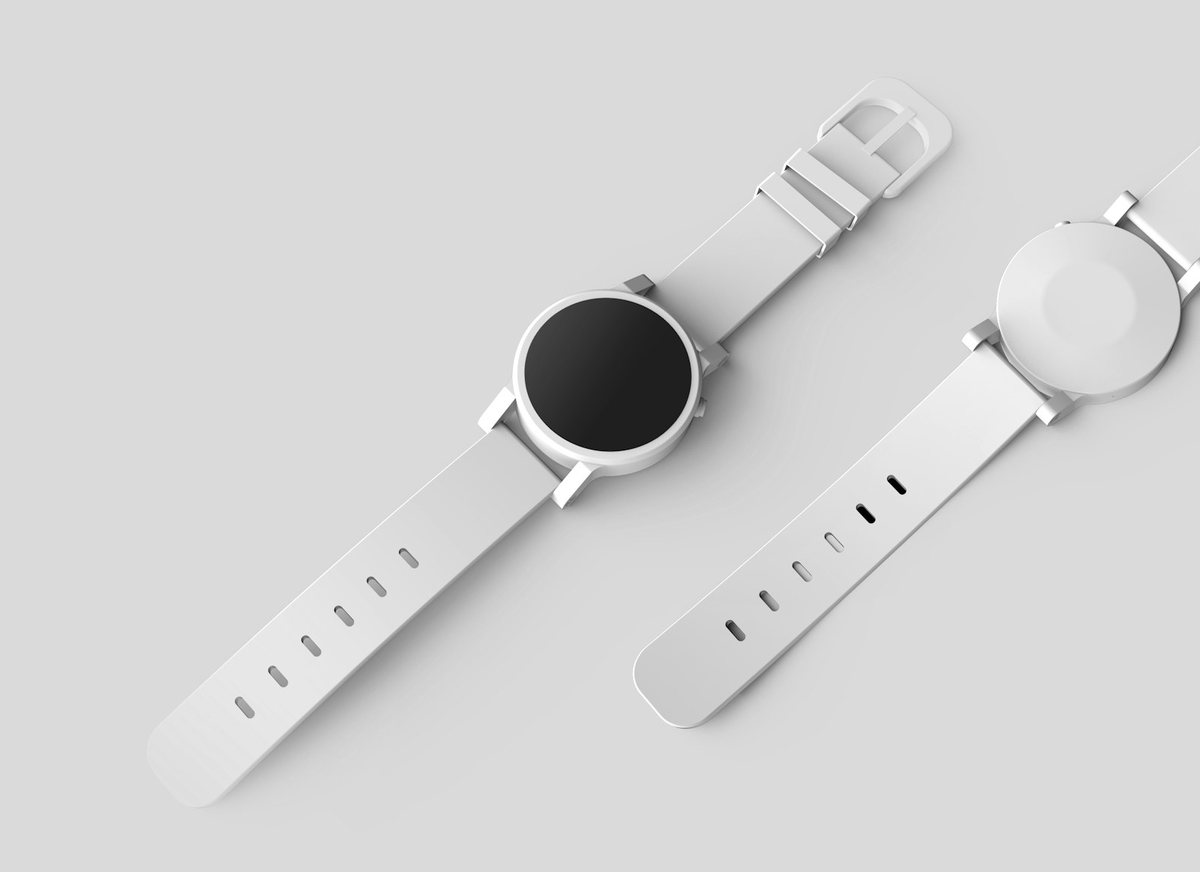
The world of horology is a fascinating blend of art and engineering, with each watch comprising a multitude of components that work in harmony to deliver precision and beauty. Understanding the anatomy of a watch is crucial for enthusiasts and collectors alike, as it not only deepens appreciation for these remarkable instruments but also aids in making informed purchasing decisions. In this article, we will dissect the crucial parts of a watch, highlighting their functions and significance.
The Movement: The Heart of Timekeeping
At the core of every watch lies the movement, often referred to as the caliber. This intricate mechanism is responsible for measuring time, and it comes in two primary types: mechanical and quartz. Mechanical movements are further divided into manual and automatic, with each offering distinct characteristics and appeal.
Mechanical Movements
Mechanical movements rely on a complex interplay of gears, springs, and levers to maintain accurate time. The manual movement requires the wearer to wind the crown periodically, while an automatic movement harnesses kinetic energy from the wearer's wrist to wind the mainspring. A prime example is the Rolex Caliber 3135, renowned for its precision and reliability.
Quartz Movements
Conversely, quartz movements utilize a battery and a quartz crystal to keep time. The electrical current from the battery causes the quartz crystal to vibrate at a precise frequency, resulting in highly accurate timekeeping. Brands like Seiko have mastered quartz technology with their Spring Drive movements, combining the best of both mechanical and quartz worlds.
The Dial: The Face of the Watch
The dial is the most visible part of a watch, serving not only as a functional element but also as an aesthetic focal point. Dials can vary widely in design, color, and complexity, featuring hour markers, sub-dials, and complications that enhance functionality.
Hour Markers and Hands
Hour markers can be applied, painted, or even illuminated, providing both style and visibility. The hands, which indicate the time, can take various forms, from classic dauphine shapes to modern skeleton designs. For instance, the Omega Speedmaster features a tachymetric scale on its bezel, allowing for speed calculations.
Complications
Complications are additional features beyond basic timekeeping, such as chronographs, perpetual calendars, and moon phases. A notable example is the Patek Philippe Calatrava, which often showcases exquisite complications that elevate its status in the luxury watch market.
The Case: Protection and Style
The case of a watch serves both protective and aesthetic purposes, housing the movement and dial while providing a distinct look. Cases can be made from various materials, including stainless steel, gold, platinum, and ceramic, each offering unique properties.
Case Shapes and Sizes
Cases come in various shapes, including round, square, and tonneau, catering to different tastes. Size is also a significant factor, with larger cases becoming increasingly popular in recent years. A classic example is the Audemars Piguet Royal Oak, known for its distinctive octagonal bezel and integrated bracelet.
Water Resistance
Water resistance ratings are crucial for ensuring the longevity and functionality of a watch. These ratings are typically expressed in meters and indicate how deep a watch can be submerged without damage. The Rolex Submariner, for instance, boasts a robust water resistance of up to 300 meters, making it a favorite among divers.
The Crystal: Clarity and Protection
The crystal is the transparent cover that protects the dial from scratches and impacts. Made from either sapphire, mineral glass, or acrylic, the choice of crystal significantly affects the watch's durability and aesthetic appeal.
Sapphire Crystal
Sapphire crystal is the most popular choice for luxury watches due to its exceptional scratch resistance and clarity. High-end brands like IWC and Panerai utilize sapphire crystals to ensure that their timepieces maintain their pristine appearance over time.
Mineral vs. Acrylic
While mineral glass is more affordable and offers decent scratch resistance, it is not as durable as sapphire. Acrylic, although less commonly used in modern luxury watches, is lightweight and can be polished to remove scratches, making it suitable for vintage models.
"In 1868, Patek Philippe crafted its first wristwatch, forever changing the landscape of horological design and innovation."
The Takeaway
Understanding the anatomy of a watch enriches the experience of watch ownership and appreciation. From the intricacies of the movement to the elegance of the case, each component plays a vital role in the watch's performance and aesthetic. As you explore the world of horology, this knowledge will empower you to make informed decisions in your watch journey.