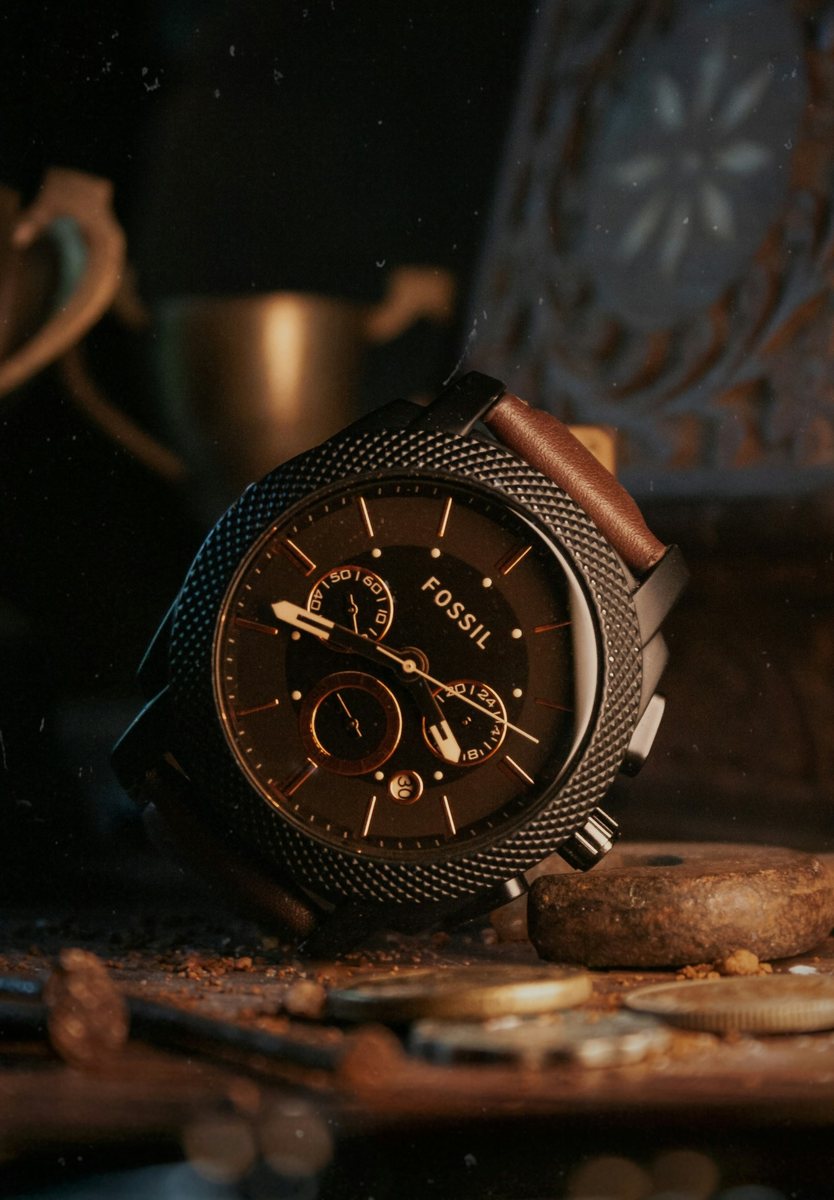
The origins of pilot's watches can be traced back to World War I, when aviation was in its infancy and pilots required reliable timepieces to navigate the skies. These watches were designed not just for style but for functionality, embodying the need for precision and readability in flight. As aviation technology progressed, so did the demands on these watches, leading to innovations that would ultimately influence modern timekeeping.
The Birth of the Pilot's Watch
The first true pilot's watches emerged during the tumultuous years of World War I. At that time, pilots were often equipped with pocket watches, which were impractical for in-flight use. To address this, manufacturers like Longines and IWC began producing wristwatches specifically designed for aviators. These early models, such as the Longines Type A-7 and the IWC Big Pilot, featured large dials, luminous markers, and robust cases.
Key Features of Early Pilot's Watches
- Luminosity: Essential for low-light conditions, early models used radium-based luminescent paint.
- Large Case Size: A larger diameter made it easier to read the time at a glance.
- Durability: Built to withstand the harsh conditions of aerial combat.
"The first wristwatches for pilots were more than just tools; they were lifelines that enabled navigational accuracy in challenging environments."
The Golden Age of Aviation and Its Influence on Design
The interwar years marked the golden age of aviation, during which commercial flights became more commonplace. This shift in aviation saw pilot's watches evolve to cater not just to military needs but also to civilian aviators. Brands like Breitling and Zenith began to produce models such as the Breitling Navitimer and the Zenith Pilot Type 20, which included features like slide rule bezels for calculations vital to flight.
Functionality Over Aesthetics
During this period, the focus remained on functionality. Watches were often equipped with chronographs, allowing pilots to time turns and maneuvers accurately. The Navitimer, introduced in 1952, became iconic for its built-in slide rule, allowing for complex calculations related to speed, distance, and fuel consumption.
The Military Influence: WWII and Beyond
World War II brought about significant advancements in pilot's watch technology. Military specifications required even greater precision and reliability, leading to the development of highly accurate timepieces. Notably, the British issued the Type A and Type B watches, characterized by their high legibility and robust designs.
Post-War Developments
After the war, many pilots transitioned to civilian aviation, and brands responded with watches that retained their military ruggedness while incorporating more sophisticated designs. The introduction of the Rolex GMT-Master in 1954 exemplified this shift, featuring a dual-time zone function that was vital for pilots navigating international flights.
Modern Innovations in Pilot's Watches
Today, pilot's watches continue to evolve with advancements in technology and design. Modern iterations often incorporate advanced materials such as titanium and ceramics, enhancing durability while reducing weight. Brands like IWC, with their Big Pilot's Watch, and Bell & Ross, known for their BR series, highlight the marriage of traditional features and contemporary aesthetics.
Smart Features
The rise of smart technology has also influenced pilot's watches, with models like the Garmin D2 Delta offering GPS navigation, weather updates, and flight logging capabilities, serving as a bridge between traditional horology and modern technology.
The Takeaway
Pilot's watches have undergone a remarkable transformation since their inception during WWI. From essential navigational tools to coveted luxury items, they continue to reflect the spirit of aviation and the demands of modern-day pilots. The legacy of these timepieces serves as a powerful reminder of their functional history and enduring appeal.