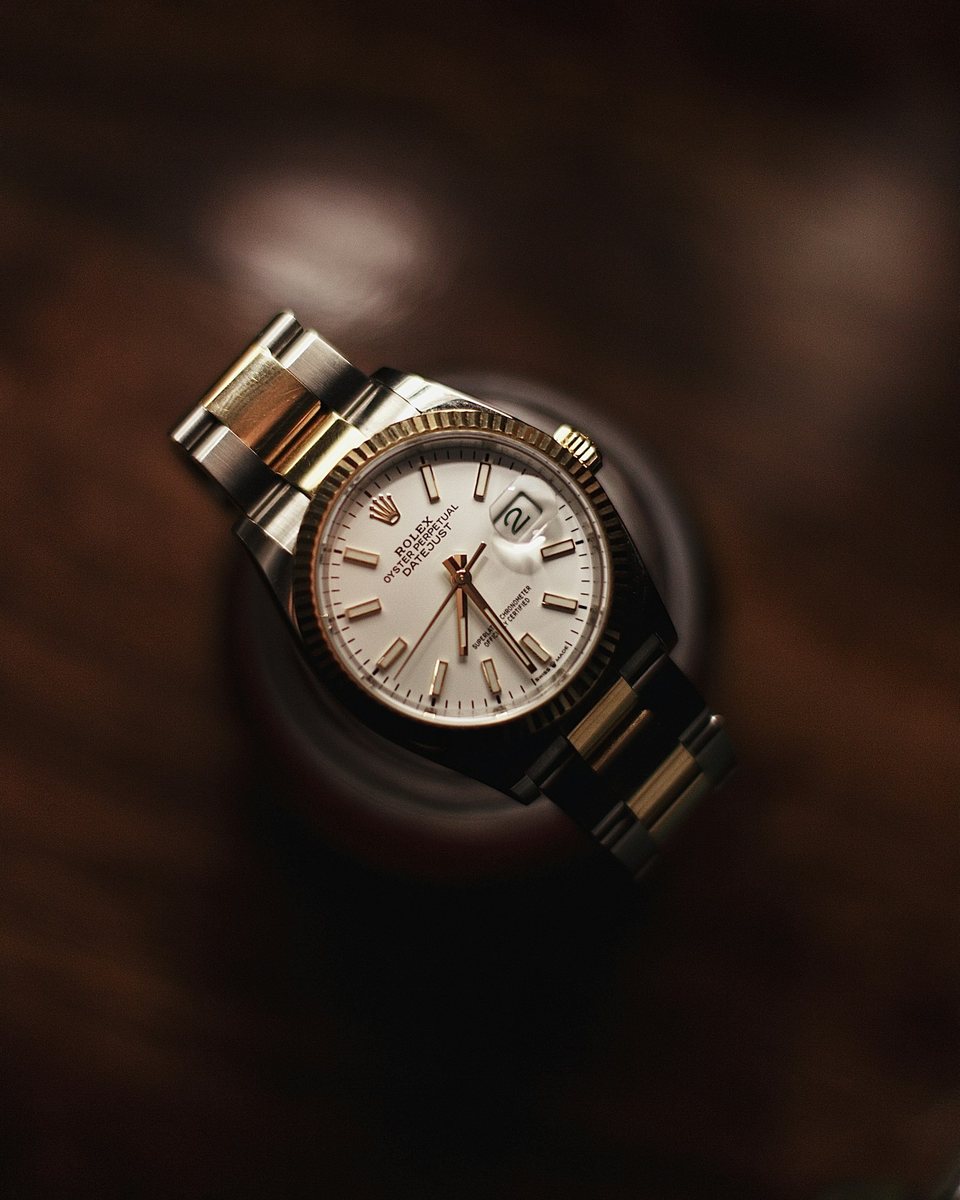
The secondary market for luxury watches has grown significantly in recent years, becoming a focal point for collectors and enthusiasts alike. Understanding how pricing is determined in this space is crucial for anyone looking to buy or sell a timepiece. The interplay of demand, rarity, brand reputation, and condition plays a pivotal role in shaping the market value of these exquisite instruments.
The Basics of Secondary Market Pricing
Secondary market pricing is primarily driven by supply and demand dynamics. Unlike retail prices, which are set by manufacturers, secondary market prices reflect the willingness of buyers and sellers to transact at specific price points. This creates a fluid market where prices can fluctuate based on various factors.
Supply and Demand
In the world of luxury watches, supply is often limited due to brand production strategies. Brands like Patek Philippe or Rolex deliberately restrict the number of pieces available to maintain exclusivity and desirability. This limited supply can lead to heightened demand, especially for iconic models like the Rolex Daytona or Patek Philippe Nautilus, often resulting in prices that soar well above retail.
Market Sentiment
Market sentiment can also impact secondary pricing. If a particular brand or model gains popularity, perhaps due to celebrity endorsements or social media influence, prices can spike dramatically. For instance, the Audemars Piguet Royal Oak saw a significant increase in interest and value after being featured prominently in popular culture.
Factors Influencing Pricing
While supply and demand are foundational, several specific factors influence the pricing of luxury watches in the secondary market.
Brand Reputation
Brand reputation plays a significant role in determining value. Brands that have established a history of quality and prestige, such as Vacheron Constantin or Jaeger-LeCoultre, tend to command higher prices. The perception of a brand's heritage and craftsmanship influences buyer confidence and willingness to pay.
Model Rarity and Features
Rarity is another critical factor. Limited editions or discontinued models, such as the Omega Speedmaster Professional 'Moonwatch,' often fetch higher prices. Additionally, unique features or complications, like the perpetual calendar found in the Patek Philippe Calatrava, can drastically increase value.
Condition and Provenance
The condition of a watch is vital. A well-preserved timepiece with original parts and documentation is likely to attract a premium. Provenance, or the history of ownership, also plays a key role; watches previously owned by notable figures can see substantial price increases due to their unique backstories.
The Role of Marketplaces and Platforms
In the secondary market, various platforms facilitate transactions, each impacting pricing differently. Online marketplaces, auction houses, and brick-and-mortar dealers all have their own pricing mechanisms.
Online Marketplaces
Platforms like Chrono24 and WatchBox have transformed how buyers and sellers connect. Pricing on these platforms is often influenced by real-time data, allowing users to see current market trends. This transparency can drive prices up or down quickly based on buyer interest and inventory levels.
Auction Houses
Auction houses such as Sotheby’s and Christie’s host sales that often set new benchmarks for secondary market pricing. The competitive nature of bidding can lead to unexpected price surges for highly sought-after pieces. For example, a one-of-a-kind Patek Philippe watch sold for over $31 million at a Phillips auction, highlighting how auction dynamics can elevate pricing.
Market Trends and Future Outlook
The luxury watch secondary market is not static; it evolves in response to cultural shifts and economic conditions. Recent trends indicate a growing interest in vintage watches, with collectors increasingly valuing heritage and craftsmanship over contemporary designs.
Economic Factors
Economic conditions can influence luxury spending. During economic downturns, the market may experience a slowdown as buyers become more cautious. Conversely, in a bullish economy, luxury items often see increased demand. The COVID-19 pandemic also reshaped consumer behavior, with many turning to luxury watches as a tangible investment.
Digital Impact
Digital platforms and social media have amplified the reach of market trends. Influencers and watch enthusiasts share their collections online, driving interest in specific models and brands. This digital presence can lead to rapid shifts in demand, impacting pricing significantly.
“In the world of luxury watches, rarity creates value, and value drives demand.”
The Takeaway
Understanding secondary market pricing requires an appreciation for the intricate dynamics of supply, demand, and brand perception. As the market continues to evolve, staying informed about trends, economic conditions, and the specific attributes of luxury watches will be essential for anyone looking to navigate this space successfully.


