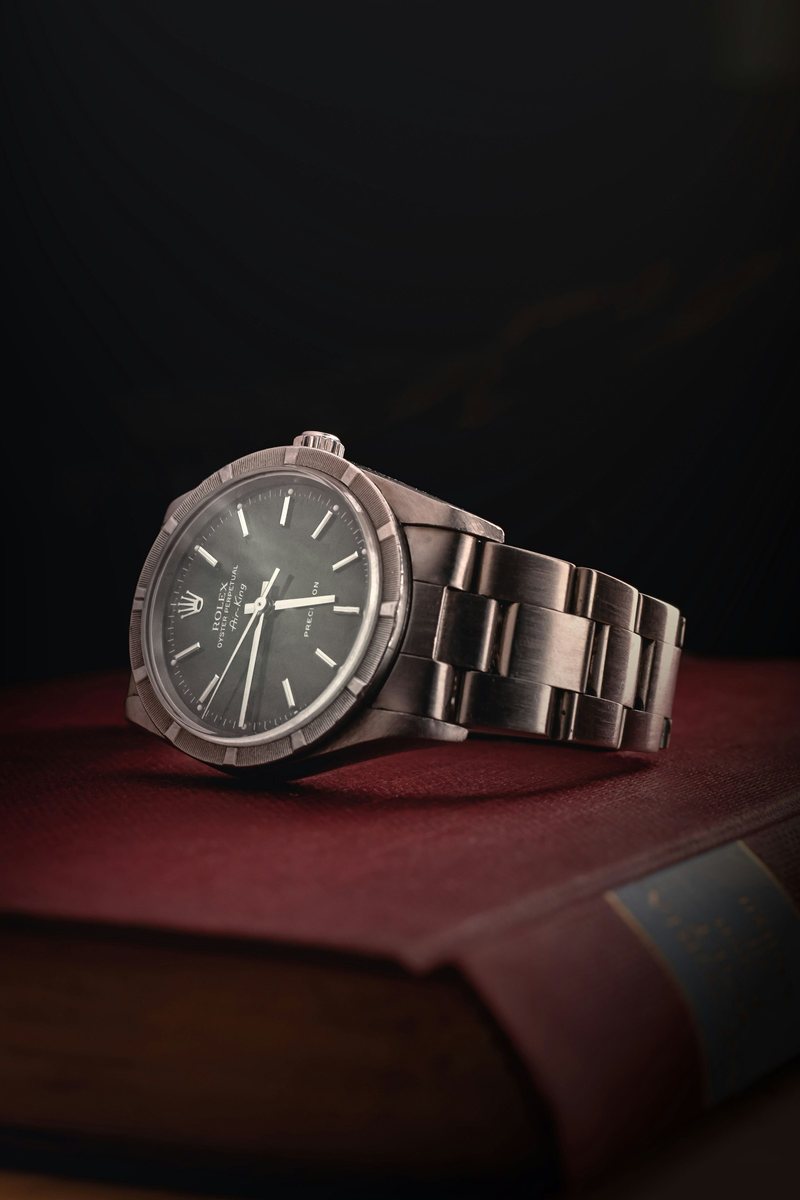
The allure of pre-owned luxury watches can be irresistible, offering a chance to acquire a piece of horological history at a fraction of the original price. However, the risk of purchasing a frankenwatch, a timepiece that has been altered with non-original parts, can turn a dream investment into a costly mistake. Understanding the nuances of watch authenticity and provenance is crucial for collectors and enthusiasts alike, ensuring that your purchase retains its value and integrity.
Understanding Frankenwatches
Frankenwatches are often the result of well-intentioned restorations or modifications that inadvertently compromise a watch's originality. This phenomenon typically occurs when parts from different models or brands are assembled together, leading to a watch that is not what it purports to be. For instance, a Rolex Submariner 16610 may have its original bezel replaced with one from a different reference, creating a hybrid that may deceive even seasoned collectors.
The term "frankenwatch" itself originates from the idea of Dr. Frankenstein, who pieced together a creature from various body parts. In the watch world, this brings to light the ethical and financial implications of modifying or restoring a luxury timepiece. A frankenwatch not only diminishes the value of the timepiece but can also hinder the collector's ability to resell it in the future.
The Market for Frankenwatches
The prevalence of frankenwatches is exacerbated by the growing online marketplace for pre-owned luxury watches. While platforms like Chrono24 and WatchBox provide convenient access to a wide array of timepieces, they also facilitate the sale of questionable watches. It's crucial to approach these listings with skepticism, especially when the pricing appears too good to be true.
In some cases, sellers may not have malicious intent but simply lack the knowledge to identify the authenticity of their merchandise. However, other sellers may knowingly misrepresent their watches, leading to a market filled with frankenwatches. This is why research and verification are integral parts of the buying process.
Identifying Genuine Watches
To effectively avoid frankenwatches, one of the most critical skills a buyer can develop is the ability to identify genuine components. Start by familiarizing yourself with the specific details of the model you are interested in. For example, the Omega Speedmaster Professional has specific hour markers, tachymetric scales, and case back engravings that vary across different years and references. Understanding these details will help you spot inconsistencies.
- Case and Serial Numbers: Each luxury watch has a unique case and serial number that can often be cross-referenced with the manufacturer's records.
- Movement Verification: Many brands, like Patek Philippe with its Caliber 324, have unique engravings and finishing techniques that signify authenticity.
- Documentation: Original paperwork, box, and service records can provide valuable context about the watch's history.
Using Expert Opinions
As a novice collector, seeking the opinion of a trusted expert can be invaluable. Watchmakers, appraisers, and reputable dealers are often willing to provide insights or verify the authenticity of a watch before purchase. Brands such as Rolex and Audemars Piguet even offer official service centers where potential buyers can have watches authenticated.
Furthermore, joining watch forums and communities can connect you with seasoned collectors who are often eager to share their knowledge and experiences. Online platforms such as Watchuseek and Reddit's r/Watches serve as excellent resources for gathering insights and tips on specific models and their authenticity.
Red Flags to Watch For
When evaluating a pre-owned luxury watch, there are several red flags that can indicate a potential frankenwatch. Pay close attention to the following:
- Unusual Pricing: If a luxury watch is listed for significantly less than market value, it may be a warning sign.
- Inconsistent Parts: Check for mismatched hands, dials, or bezels that do not correspond to the original specifications.
- Aftermarket Modifications: While customization can be appealing, modifications can often detract from a watch's value.
"Many collectors have learned the hard way that while a frankenwatch might look appealing, it can lead to significant regret when it comes time to sell." - Renowned Watch Collector
The Role of Provenance
Provenance plays a significant role in the desirability and value of a luxury watch. A watch with documented ownership history, especially if it has celebrity or historical significance, is often more valuable than one without. Brands like Patek Philippe and Rolex are well-known for their rich histories, and watches with a documented past often attract premium prices.
Consider requesting documentation or a certificate of authenticity from the seller. This can serve as a safeguard against fraud and enhance the trustworthiness of your purchase. Additionally, if the watch has undergone service, obtaining records from authorized service centers can further validate its authenticity and history.
The Takeaway
Buying a pre-owned luxury watch can be a rewarding endeavor, but it requires a careful eye to avoid the pitfalls of frankenwatches. Educating yourself on the nuances of specific models, being aware of red flags, and leveraging expert opinions are essential steps in ensuring that you make a sound investment. In the end, a well-researched purchase enhances not only your collection but also your passion for horology.